Do you have an emergency plan?
Feb 26, 2026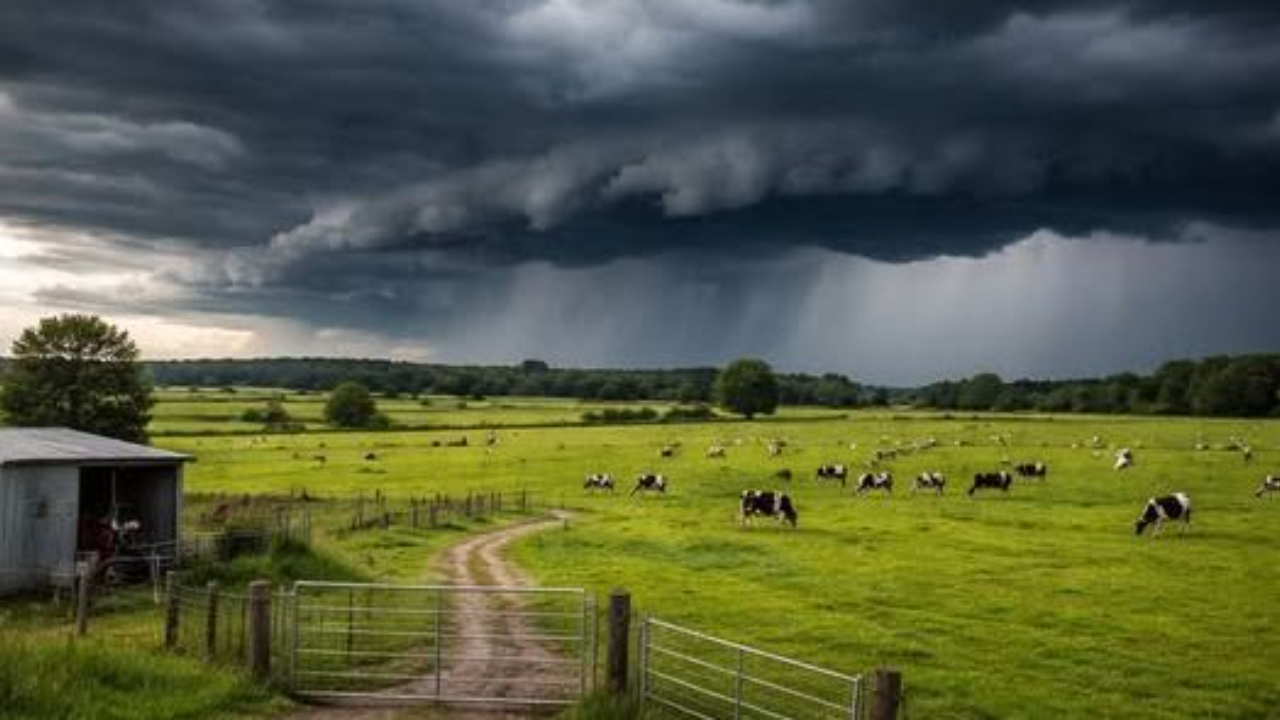
The wild weather of the past couple of weeks reminded me of my not-quite-finished emergency plan, so I am determined to finish it this week.
It also reminded me how easy it is to think, “I’ll get to it later,” while hoping nothing serious happens in the meantime, so I am sharing it with you. Do you have an emergency plan?
Farms operate in an environment where the unexpected is not unusual — storms, power outages, animal health issues, machinery failures, or accidents can happen at any time. Having a simple, practical emergency plan is one of the most valuable things you can put in place to protect your people, animals, and the business.
Why an emergency plan matters
When something goes wrong, stress levels rise quickly. People may not remember phone numbers, where equipment is stored, or who is responsible for what. A written emergency plan removes uncertainty. It provides clear instructions on whom to contact, what steps to take first, and how to keep the farm operating while the situation is managed.
An emergency plan does not need to be complicated. It should cover the key risks on your farm, emergency contact details, locations of shut-off points and safety equipment, and basic procedures for common situations such as fire, severe weather, power loss, or medical emergencies.
What happens if the boss has an accident?
One of the most overlooked parts of emergency planning is the “what if the boss is unavailable?” scenario. Many farms rely heavily on one person who holds the knowledge — passwords, supplier contacts, grazing plans, financial details, and daily routines. If that person is injured or suddenly unavailable, even for a short time, the farm can quickly become difficult to manage.
Your emergency plan should clearly outline:
-
Who takes over decision-making responsibilities
-
Key contact lists (staff, vets, suppliers, contractors, advisors)
-
Where essential documents are stored (insurance, banking, farm records)
-
Access details for important systems and accounts
-
Immediate priorities for keeping animals fed, milk collected, or crops managed
-
Banking authorities or payment procedures if bills need to be paid
Having this information written down and accessible to the right people can make an enormous difference in keeping the business running smoothly during an already stressful time.
Keeping people, animals, and the business safe
A good emergency plan focuses first on people’s safety, then on animal welfare, and finally on protecting infrastructure and business continuity. Knowing evacuation points, emergency equipment locations, backup feed arrangements, and contractor contacts allows everyone to act quickly and calmly.
A small job that makes a big difference
Finishing an emergency plan is one of those tasks that is easy to postpone because it doesn’t feel urgent — until the day it suddenly is. Even a basic plan created over a few hours is far better than none. Review it once or twice a year, update contact lists, and make sure everyone who works on the farm knows where to find it.
Unexpected events are part of farming life. A clear emergency plan ensures that when something does happen, your farm business is ready to respond with confidence instead of scrambling under pressure.
Don't miss a beat!
News, motivation, and updates for farmers delivered to your inbox monthly.
We hate SPAM. We will never sell your information, for any reason.
Recent Posts